
One Turn Kill Combos: Top Synergies and Build Guide
One Turn Kill combos rely on converting card draw costs into offensive fuel through deck-recycle engines, hand cost scaling, and discard synergies to defeat bosses within a single turn before enemy counterattacks trigger defeat.
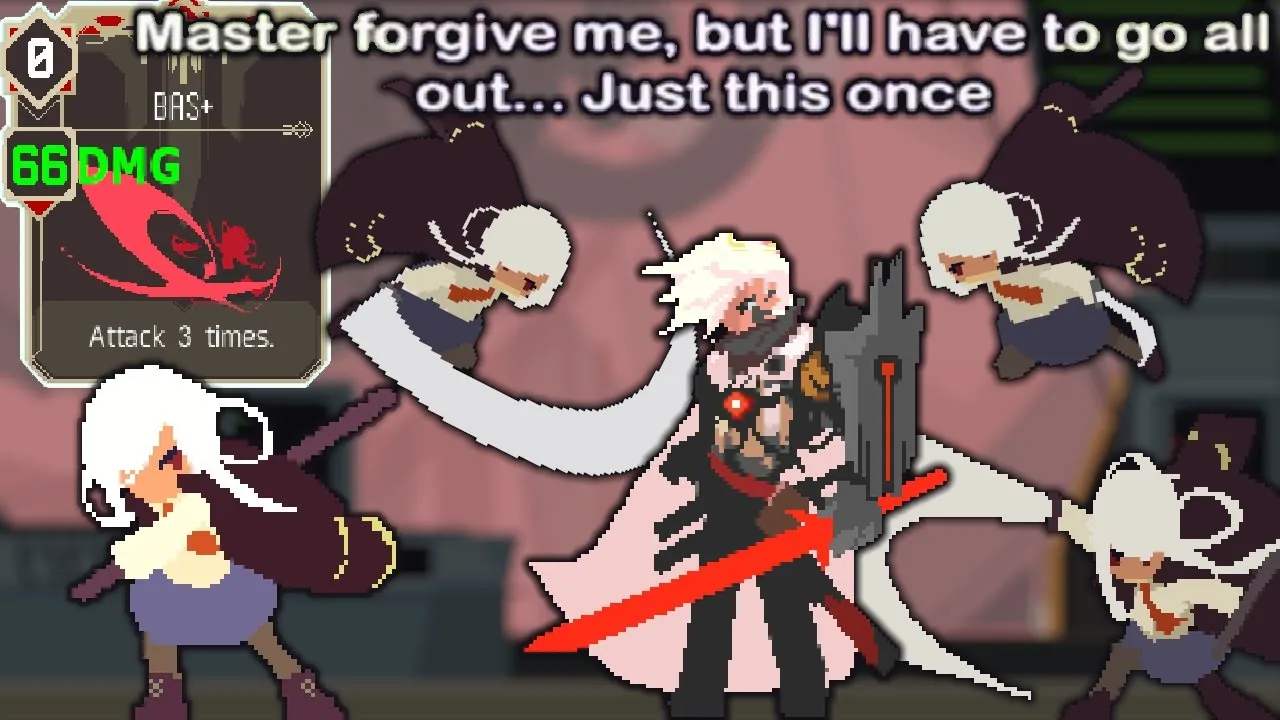
One Turn Kill combos rely on converting card draw costs into offensive fuel through deck-recycle engines, hand cost scaling, and discard synergies to defeat bosses within a single turn before enemy counterattacks trigger defeat.
In One Turn Kill, card cost is the exact number of cards drawn from your 20-card deck when played. When your deck depletes and you cannot draw the required cost, card plays stop immediately. Running out of usable cards forces a turn end that results in a one-hit defeat. Managing draw reserves, resetting card states, and abusing multiplication effects form the basis of every functional strategy.
What Are the Core Card Draw and Reset Rules?
Deck manipulation is the central mechanic governing turn execution. Because playing an attack draws cards equal to its stated cost, you cannot reduce every card to 0 cost, or your hand will starve without fresh draws. Conversely, filling a deck with heavy draw costs empties the draw pile before you can assemble high-firepower finishes.
Cards returned to the deck lose all accumulated stat bonuses and penalties. If an attack card like Ferocious Claw receives damage increases from Intuition, shuffling it back resets it to base values. However, returning cards also cleanses status ailments like Fragile or card sealing imposed by enemies like Bulk.
Active run skills provide crucial bridges when your draw pile runs low:
- Double: Duplicates one target card in hand while preserving its attack modifications and removing seal reservations.
- Reload: Shuffles up to five cards from hand back into the draw pile and draws the same quantity.
- Rapid Charge: Discards up to three hand cards and redraws identical copies, resetting cost manipulations and seals.
- Overheat: Inserts six unusable Overload cards directly into the draw pile to supply emergency draw fuel.
- Downclock: Freezes enemy action for three card plays, halting real-time timers and interrupting countdown counters.
Upgraded cards unlocked via upgrade chips substantially expand these rules. For instance, Tea Ceremony+ drops the cost of any two cards to 0 regardless of their baseline value, while Homeward Bound+ uses a target hand card at 0 cost and returns it to the deck without consuming deck count.
How Do You Execute the Best One Turn Kill Combos?
The game offers several distinct combination engines that adapt to specific stage difficulties and boss mechanics. Players can cross-reference full lists of cards and skills to refine these setups.
1. The Heavy Blow and Hand-Cost Multiplication Loop
Heavy Blow deals 20 baseline damage at a 2-card draw cost, with damage increasing based on the total cost of all cards currently sitting in your hand. If total attack reaches 50 or more, it executes an additional strike.
To trigger maximum burst:
- Play Anti-Materiel and Aggra Ray to raise the cost of every card in your hand by +1 incrementally.
- Use Nelker's Experiment to boost Heavy Blow's attack floor while drawing extra hand pieces.
- Cast Tea Ceremony+ to discount Heavy Blow to 0 cost without lowering the elevated costs of the surrounding hand cards.
- Duplicate Heavy Blow with the Double skill or Homeward Bound+.
- Strike with Heavy Blow twice per activation, routinely exceeding 250 to 500 damage per card.
2. Axim Core Infinite Card Duplication
Axim Core is an endgame tool unlocked after reaching BIAS 13 that costs 20 draws baseline, reduces its cost by 1 each time another card is played, returns your entire hand to the deck, and duplicates four random deck cards into your hand.
The cycle functions as follows:
- Play Homeward Bound+ or Tea Ceremony+ to deploy Axim Core at 0 cost on turn open.
- Generate additional copies of Axim Core, Southern Cross, and utility cantrips directly into the deck pool.
- Use Backdoor to trigger the Double skill repeatedly, copying Axim Core or Backdoor itself.
- Scale the deck size past 100 cards, completely nullifying the threat of deck exhaustion.
- Deploy Procyon Device to deal 5 residual damage for every attack played, or finish by casting high-cost Heavy Blows backed by massive hand totals.
In extreme testing, this engine cleared the 99,999 HP Lv2 scarecrow by ballooning deck counts past 500 cards and looping Eternal Loyalty generated from Flower of Immortality.
3. The Early Game PPP Bounce Setup
Before accessing endgame cards, the high-speed bounce strategy carries runs through early stages. PPP costs 0 draws and gains +3 attack every time other cards in your hand are returned to the deck.
The execution sequence:
- Cast high-draw openers like Assassin's Sign (cost 5, 20 attack; +30 attack if the deck holds 5 or fewer cards) to pull deep into your deck.
- Play Intuition to boost global hand attack by +3.
- Cycle Transcode (draws 4, returns 3) and Regression (cost 1, returns 3) to trigger PPP's passive damage bonus multiple times.
- If your draw pile drops below 3 cards, use Overheat to inject Overloads into the deck as return fodder.
- Trigger Reload to shuffle five cards back and redraw, providing another PPP boost.
- Target the fully scaled PPP with Double and fire both copies for 0 draw cost, yielding 200 to 300 total burst damage.
4. Ferocious Claw and Kunai Throw Discard Burst
This engine utilizes discard synergies rather than deck returns:
- Use Genetic Mutation to generate Ferocious Claw cards while digging through your deck.
- Trigger Kunai Throw's passive, which inflicts damage equal to its attack value whenever discarded.
- Discard upgraded Iron Coins to generate +2 replacement coins in the deck and expand deck safety margins.
- Fire upgraded Ferocious Claws, discarding scaled Kunai Throws to double-dip on discard strikes and raw hand attacks simultaneously.
Which Combo Engine Fits Your Run?
Selecting an engine depends on your current progression level, unlocked components, and specific boss match-ups across the campaign's bosses.
| Strategy | Ideal Encounter Conditions | Required Deck Investment |
|---|---|---|
| Heavy Blow Cost Scaling | High-HP targets (D-rex, Bulk Lv4–5, BIAS 20 runs) | Requires Anti-Materiel, Aggra Ray, Tea Ceremony+, and Nelker's Experiment. |
| Axim Core Multiplication | Endless scaling needs, Scarecrow Lv2, BIAS 15+ ending runs | Requires Axim Core, Homeward Bound+, Backdoor, and Procyon Device. |
| PPP Deck Bounce | Early-to-mid game progression (BIAS 1 to 10) | Demands Transcode, Regression, Intuition, and high-draw openers like Assassin's Sign. |
| Kunai Throw Discard | Encounters requiring instant burst without prolonged hand setup | Requires Ferocious Claw+, Kunai Throw+, Iron Coin+, and Genetic Mutation. |
How Do You Counter Boss Disruption Mechanics?
Boss encounters scale their interference based on their chosen tier level, adding specific rules that can derail unprepared combinations.
Guard Captain (Lv1 to Lv5)
The Guard Captain acts as the entry benchmark. At Lv4, he applies Fragile to all cards in your hand after you play approximately 16 cards. If you play another card while Fragile cards remain in hand, those cards are destroyed. Shuffling cards back into the draw pile via Transcode or Homeward Bound removes the Fragile affliction safely.
Scythe User Azwen (Lv1 to Lv5)
Azwen floods your draw pile with unusable Overload cards every three cards played. This drastically shrinks your draw quality, risking premature deck exhaustion. Counter her by running high-cost cards like Assassin's Sign to dig through the bloat, or deploy Sublimation to transmute Overloads into functional attacks.
Machine Soldier D-rex (Lv1 to Lv5)
D-rex operates on a strict real-time timer of approximately 40 seconds. If you do not deal threshold damage quickly, you suffer instant defeat. At Lv4, D-rex increases the cost of all hand cards upon recovery. Picking the Downclock skill pauses the battle timer for three card plays, giving you breathing room to calculate costs.
Priest Aberration (Lv3 to Lv5)
The Priest triggers a Judgment choice every few card plays, forcing you to pick one of three persistent handicaps:
- All-Seeing Eye: Strips card text on step 1, hides deck counts on step 2, removes card illustrations on step 3, hides card numbers on step 4, and blanks the entire display on step 5.
- Hand of Salvation: Randomizes hand costs up to 10–13 draws per card.
- Heart of Compassion: Heals the boss by +5 up to +99 HP each time you play a card.
If running high-cost Heavy Blow builds, Hand of Salvation actually accelerates your damage scaling by artificially inflating your total hand cost to astronomical levels.
Swordsman Bulk (Lv1 to Lv5)
Bulk applies seals to hand cards, reserving them for lockdown. Sealed cards cannot be cast. Triggering Reload or Rapid Charge moves sealed cards back into the draw pile, which immediately strips the seal and returns them clean upon redrawing. Double can also copy a card targeted by a seal reservation, producing an unsealed, fully buffed duplicate.
Detailed notes on high-tier clear setups and enemy behaviors are documented in Zent130's strategy guide.
How Does Deck Building Limit Infinite Combos?
Deck construction in One Turn Kill enforces a strict 20-card limit, with a maximum of three copies per individual card. This constraint prevents players from packing endless safety tools alongside their core damage dealers.
As outlined on the One Turn Kill Steam store page, success rests entirely on crafting reproducible interactions within these limits:
"Players can unleash a wide range of strategies using a deck limited to 20 cards. How you build your deck will determine whether or not you are victorious." — the game's official Steam store page
For speedrun attempts and low-turn routing, review our dedicated speedrun analysis and best deck breakdowns to optimize card sequencing across consecutive loops.
Next step
Deck Building
Learn how to build twenty-card decks, manage draw costs, and assemble high-damage archetypes to defeat every boss encounter.
Related Guides
One Turn Kill deck building Rules and Archetypes; One Turn Kill Backdoor Card Guide & Combos