
One Turn Kill deck building Rules and Archetypes
One Turn Kill deck building is the process of assembling exactly twenty cards that generate lethal damage before exhausting your draw pile. Constructing winning lists requires balancing high card draw costs against cost reduction tools like Tea Ceremony and Oxalis's Prayer.
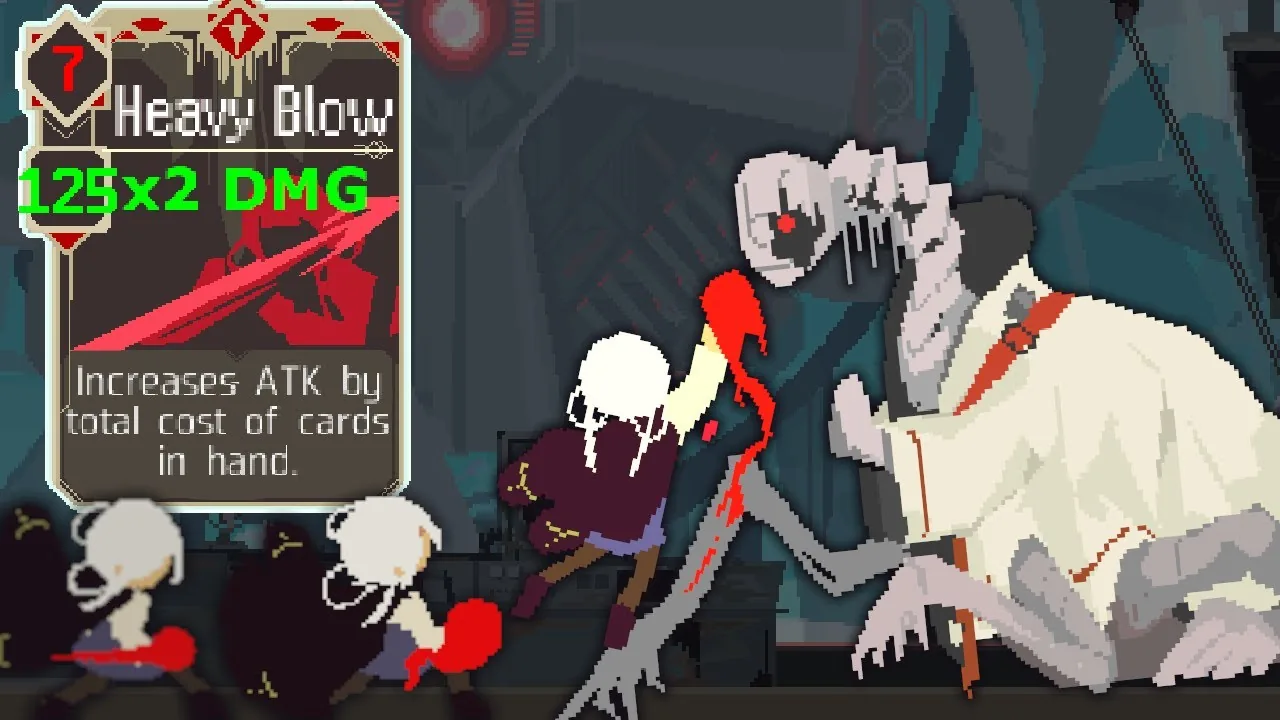
One Turn Kill deck building is the process of assembling exactly twenty cards that generate lethal damage before exhausting your draw pile. Constructing winning lists requires balancing high card draw costs against cost reduction tools like Tea Ceremony and Oxalis's Prayer.
How Does Card Draw Function as Energy in Deck Building?
Card draw is the primary energy resource in One Turn Kill combat. Playing a card with an energy cost forces you to draw that exact number of cards from your draw pile directly into your hand. If your deck runs out of cards and cannot fulfill the draw requirement, the card cannot be played. Pressing the turn end button when out of usable cards immediately counts as a defeat.
As noted on the Steam store page:
"Drawing cards from the deck costs card uses." — the official Steam store page description
Because each draw reduces your remaining resource pool, your deck structure must regulate how fast your pile empties. You construct a deck using precisely twenty cards, with a limit of up to three copies per card name. Adding cards like Transcode allows you to draw four cards while returning three back into the deck, preventing premature depletion. Cards such as Heat Burn inject Overload cards into your hand to serve as discard fodder, while Flower of Immortality returns itself to the deck upon use to keep your total card count intact.
Which Deck Archetypes Clear High BIAS Levels?
Deck archetypes are specialized twenty-card configurations tailored to bypass boss mechanics like card seals and damage timers. On higher difficulties, such as BIAS 20, players encounter escalated boss health pools and aggressive restrictions from bosses like Bulk and D-Rex.
Player discussions on the Steam community discussions establish several proven lists capable of reaching lethal damage numbers within a single turn:
1. High-Cost Heavy Blow Scaling
This archetype turns hand inflation into direct offensive power. Heavy Blow deals base damage while scaling upward based on the total combined energy cost of all cards sitting in your hand. When its attack value reaches 50 or higher, it strikes an additional time.
- Key Cards: 3x Heavy Blow+, 3x Aggra-Ray+, 3x Anti-materiel+, 3x Tea Ceremony+, 3x Homeward Bound+, 2x Backdoor, 3x Axim Core+.
- How It Operates: Aggra-Ray and Anti-materiel deliberately raise the cost of every card in your hand. Once the collective cost reaches high values, Heavy Blow gains hundreds of bonus damage points. You then cast Tea Ceremony to drop the cost of Heavy Blow back down to 0, letting you unleash repeated double strikes without draining your draw pile.
2. Multi-Hit Multiplier Deck
Multi-hit strategies rely on flat attack enhancements distributed across cards that hit two or three times in one activation.
- Key Cards: 3x BAS+, 3x Laevatein+, 3x Nelker's Experiment+, 3x Intuition+, 2x Oxalis's Prayer+, 3x Homeward Bound+, 1x Backdoor, 2x Assassin's Sign+.
- How It Operates: BAS hits twice in its base form and three times once upgraded. Laevatein unleashes three strikes. Playing Nelker's Experiment and Intuition applies flat attack increases to these cards while they sit in hand. Once their attack values scale, playing Oxalis's Prayer reduces your hand cost to 0, enabling full damage discharge against the target.
3. Discard Synergy Deck
Discard builds utilize the interaction between Ferocious Claw and Kunai Throw to generate offensive output while clearing space in hand.
- Key Cards: 3x Ferocious Claw+, 3x Kunai Throw+, 3x Iron Coin+, 3x Genetic Mutation, 3x Nelker's Experiment, 3x Assassin's Sign, 2x Intuition.
- How It Operates: Upgraded Kunai Throw deals damage equal to its attack whenever discarded, gaining four permanent attack each time another card is discarded. Upgraded Ferocious Claw discards a chosen card and absorbs that card's attack value into its own strike. Iron Coin places extra cards back into your deck whenever discarded, creating reliable discard fodder that prevents deck out during long card chains.
4. PPP Hand-Cycling Deck
The PPP engine converts continuous deck reshuffling into massive single-card scaling.
- Key Cards: 3x PPP+, 3x Against the Grain+, 3x Transcode+, 2x Heat Burn+, 3x Southern Cross+, 3x All-in+, 3x Homeward Bound+.
- How It Operates: PPP gains three attack every time other cards in your hand are returned to the deck. Cycling cards through Transcode, Against the Grain, and Southern Cross continually builds PPP into a lethal finisher before you spend your final card plays.
| Archetype | Primary Matchup Fit | Setup Requirement |
|---|---|---|
| Heavy Blow Cost Stacking | High HP bosses like Bulk and Pastor | Requires hand cost increases followed by Tea Ceremony cost drops |
| Multi-Hit BAS & Laevatein | Timed encounters like D-Rex | Requires flat attack buffs from Nelker's Experiment before attacking |
| Discard & Iron Coin | High-draw encounters with seal debuffs | Requires cycling Kunai Throw discards into upgraded Ferocious Claws |
What Deck Building Rules Should You Follow?
Construction discipline requires adhering to core resource ratios so your hand never stalls mid-turn. To create stable lists that function consistently, balance the following card roles across your twenty slots:
- Card Draw Generators: Dedicate four to six cards to raw card intake, such as Transcode, Heat Burn, or Assassin's Sign. You need immediate access to your combo pieces early in the turn.
- Cost Neutralizers: Include at least three to five cost reduction cards like Tea Ceremony or Oxalis's Prayer. Reducing high-cost finishers to 0 cost ensures you can deploy your built-up damage without requiring draw headroom.
- Deck Recyclers: Run two to four cards that return items from hand to deck. Tools like Against the Grain or Homeward Bound let you replenish the draw pile when facing bulky bosses.
- Primary Finishers: Restrict pure attack finishers to three to six slots. Filling a deck with unbuffed attack cards clogs your hand and prevents you from cycling into synergistic combos.
You can spend upgrade chips at the camp facility to alter card properties. Some upgrades lower draw requirements, while others transform conditional triggers into unconditional damage. You can also deploy specific skills, including card duplication or turn rewinds, and combine them with backdoor to duplicate critical combo pieces during a run. Testing your damage limits against the camp scarecrow provides a safe environment to confirm whether your twenty-card setup can generate enough damage to finish battles in a single turn.
Next step
Skills Guide
Explore complete effects, unlock conditions, and tactical ratings for all battle skills in One Turn Kill to optimize your single-turn strategy.
Related Guides
One Turn Kill Skills: Effects, Synergies, and Tier List; One Turn Kill Best Deck Builds for Every Difficulty